Damaged wood rebuilt right, after the termites are gone
Repair scope comes from the inspection report, and treatment comes before any new lumber goes in.
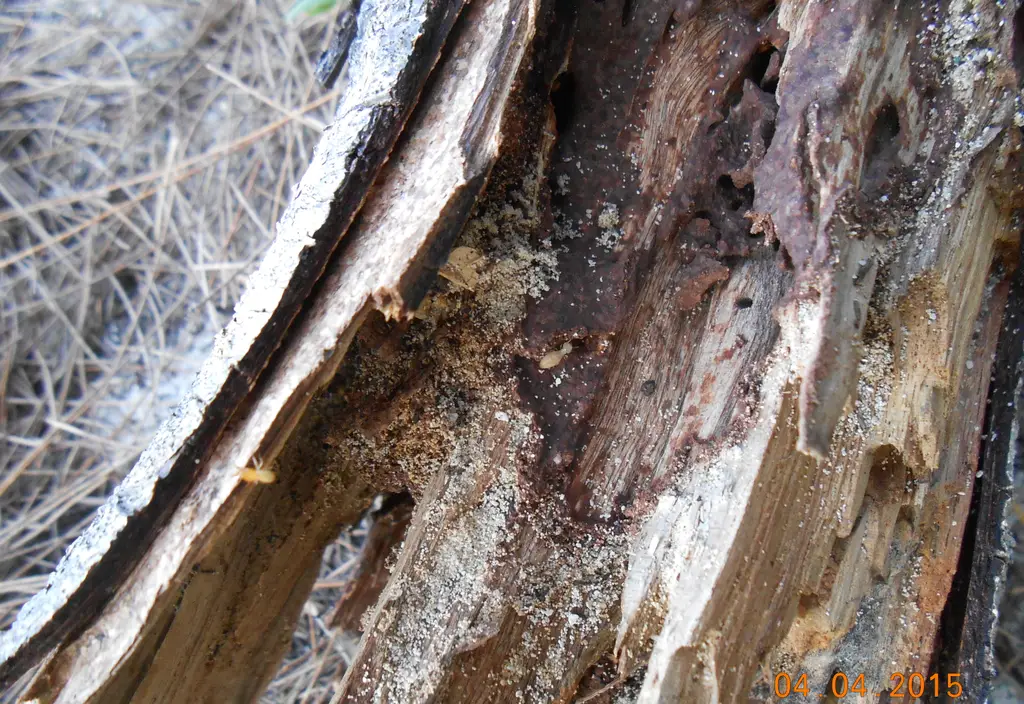
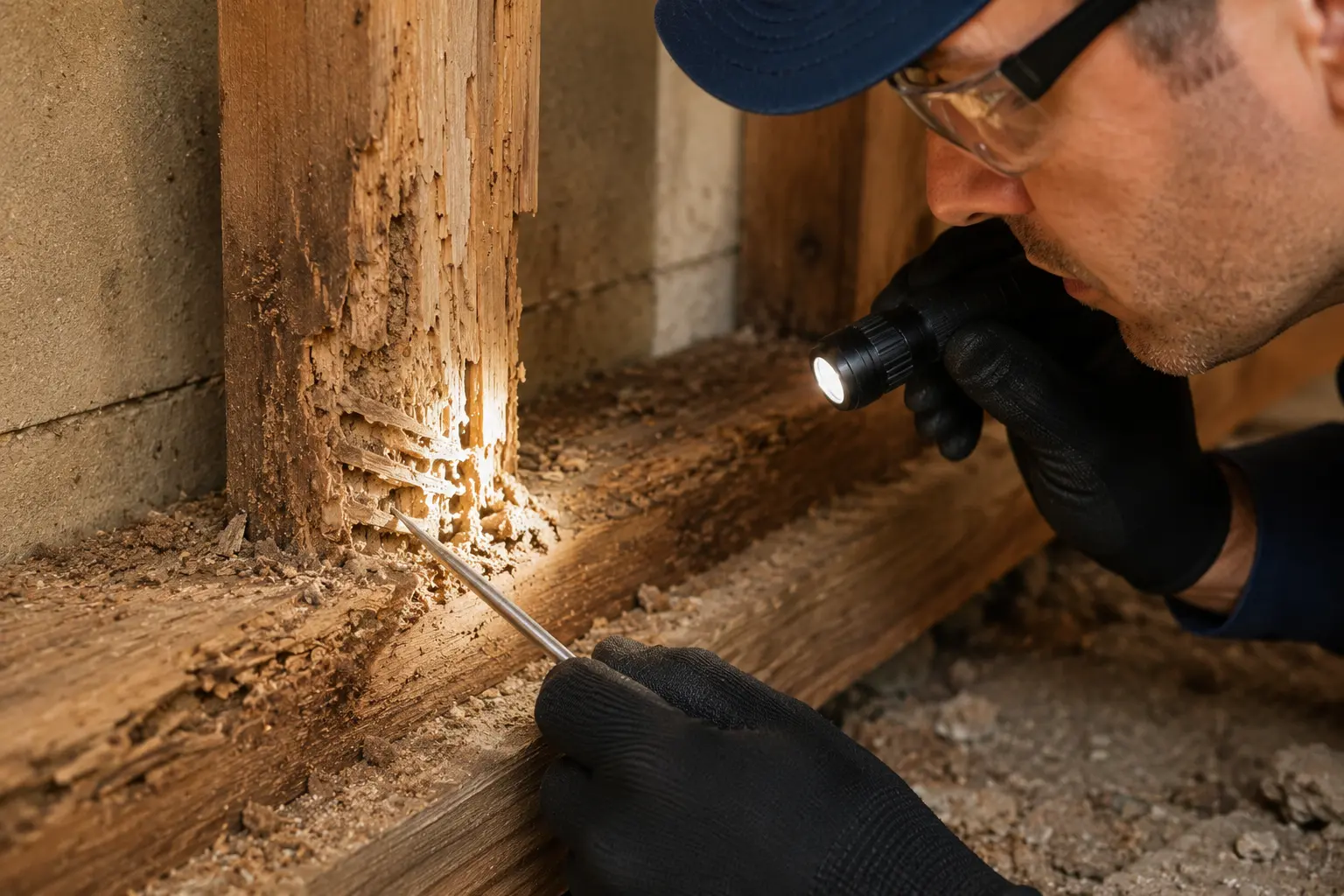
Termite damage repair in Bakersfield starts with a document, not a saw. The inspection report says which boards are actually compromised, how deep the damage runs, and whether the insects that did it are still working. A repair scoped from that report replaces what’s spent and leaves what’s sound. A repair scoped by eye usually does the opposite.
Termites are only half the story. The same inspections that find galleries find dry rot, a fungus that eats damp wood wherever a gutter overflows or a sprinkler hits the siding. The two get lumped together because they produce the same result, wood that can’t do its job, and the same report documents both. Around here, plenty of “termite damage” on a repair scope turns out to be rot from twenty years of lawn watering against a stem wall.
Who swings the hammer varies by job and by scope. Some repairs are a half-day of fascia work, others are structural framing that wants a contractor’s attention, and the findings tell you which you’re facing. What shouldn’t vary is the order of operations: findings first, treatment second, lumber last. That sequence is the difference between a repair and a do-over.
What typically gets repaired
-
Fascia and eaves
The sun-baked boards drywood termites and dry rot hit first
-
Framing
Studs and rafters sistered or replaced where galleries run deep
-
Subfloor
Soft spots over crawl spaces cut out and decked fresh
-
Siding and trim
Chewed or rotted exterior wood matched and replaced
-
Door and window frames
Frames rebuilt where damage makes them stick or crumble
-
Patio covers
Attached wood structures that feed termites straight to the house
Treat first, then rebuild
Here’s the expensive mistake: new fascia nailed over an active colony. The board looks perfect for a season. Then the pellets reappear, because the termites were never gone, and now you’re buying the same repair twice, plus the treatment you skipped.
Wood doesn’t attract termites less for being new. If anything, fresh untreated lumber is easier eating than the fifty-year-old boards it replaced. So the trade’s standard sequence puts extermination ahead of carpentry every time. Confirm the species, treat the colony, verify it’s dead, and then open the lumber. Where the schedule allows it, there’s a bonus in that order: repairs made after treatment can expose hidden galleries, and a repair crew that knows the findings can flag anything the report didn’t reach. The treatment options range from spot work to whole-structure jobs, and which one comes first depends on what the report found.
The test for any repair bid is one question: what happens to the termites before the new wood goes in? A bid with a real answer is worth comparing. A bid that skips the question is quoting you the first half of the job.
Clearance repairs when a house is selling
Repairs take on a deadline when escrow is involved. In California, the WDO report’s Section 1 items, the active infestation and existing damage, are what lenders and buyers typically expect handled before closing. The repairs get done, the work gets documented, and a completion certificate issues so the file can move.
The mechanics matter here. Clearance repairs have to match the report’s line items exactly, because the certificate refers back to them. A fascia run replaced beautifully but not documented against finding 4A is, as far as escrow is concerned, a fascia run that never happened. That’s why sale-related repair work usually flows through the same channel as the escrow inspection itself, with the paperwork keeping pace alongside the carpentry. Sellers who start this process early in escrow keep their closing date. Sellers who start it late negotiate extensions.
Found damage? Get it inspected before anyone rebuilds over it.
What Bakersfield’s housing stock brings in
The repair work here follows the housing eras. The pre-1960 neighborhoods in central Bakersfield, with their raised foundations, contribute subfloor and floor-framing repairs: subterranean termites come up the piers, and crawl-space damage grows for years before a soft spot in the hallway gives it away.
The post-war ranch tracts contribute eave and fascia work. Those long, low rooflines put a lot of board feet in the sun, and the combination of drywood termites and sprinkler overspray retires fascia runs one section at a time.
And everywhere in town, attached patio covers earn their reputation. A wood cover bolted to the house is a bridge, and when termites take it, the question is whether they crossed. The inspection answers that before the repair bid does, and it’s the reason a patio-cover repair here should never be scoped as just a patio-cover repair.
Frequently Asked Questions
Can termite-damaged wood be repaired, or does it all have to be replaced?
It depends on how deep the galleries run. Lightly grazed wood can sometimes stay with a sistered reinforcement beside it, while wood that crumbles under a screwdriver gets cut out and replaced. The inspection findings draw that line board by board.
Why does dry rot show up in the same report as termites?
Both destroy wood, and inspectors are required to document wood-destroying organisms of every kind. Dry rot is a fungus that feeds on damp wood, so a leaky gutter can quietly cause as much damage as a colony. The fixes often overlap too.
Is it safe to just paint over or fill old termite damage?
Only after an inspection confirms the colony is dead and the wood still has its strength. Filler over active termites hides the problem while it grows. Filler over structurally spent wood leaves a weak board doing a real job.
Does homeowners insurance cover the repairs?
Almost never. Insurers treat termite damage as preventable maintenance rather than a sudden loss, so policies exclude it. Catching damage early through inspections is the realistic way to keep the repair bill small.